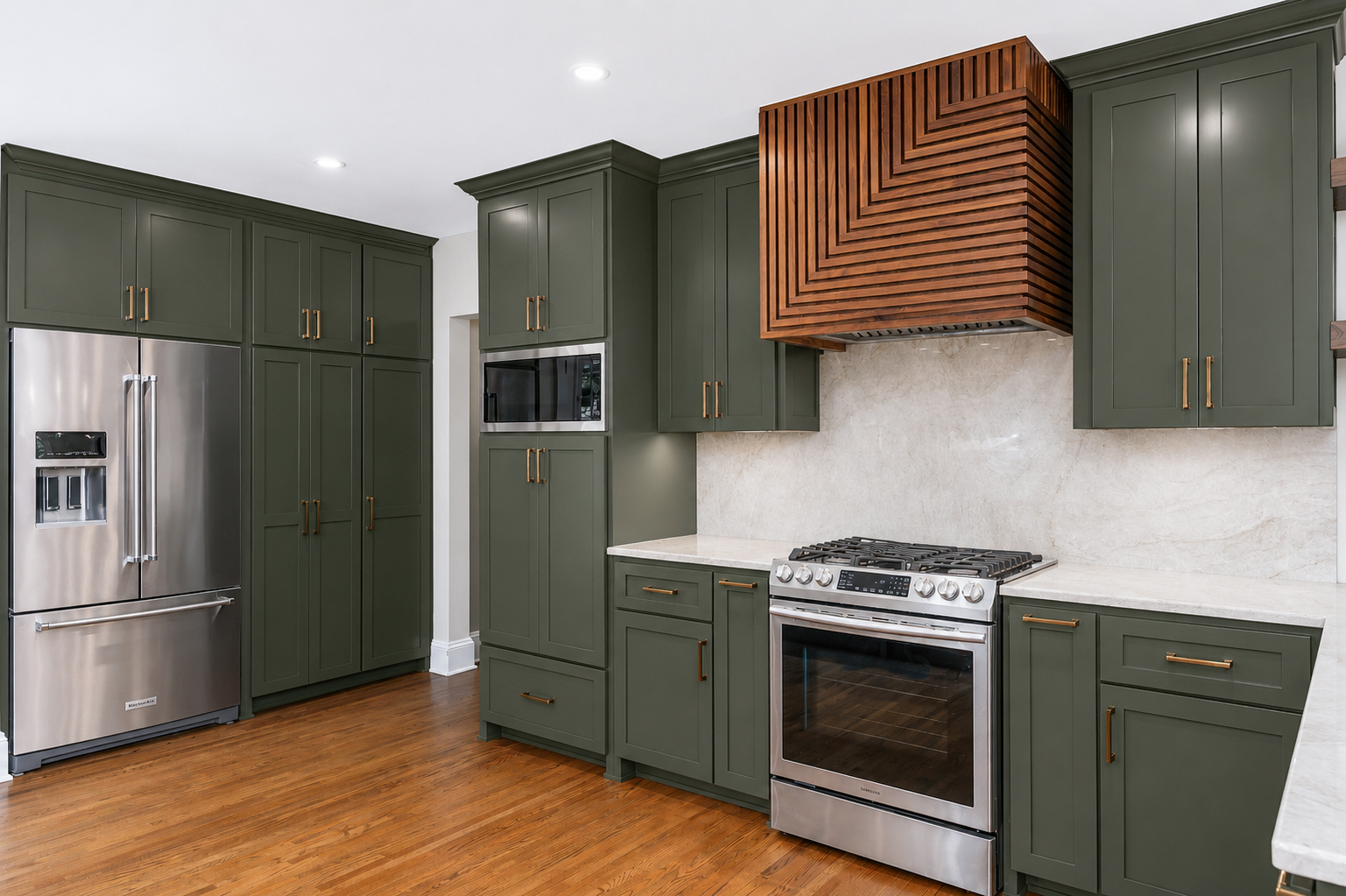
A kitchen remodel is one of the biggest investments you’ll make in your home. While finishes and colors often get the most attention, it’s the cabinet layout and planning that determine how your kitchen functions every day.
At GLR Custom Cabinetry, we’ve worked with homeowners, builders, and designers on countless custom projects. Along the way, we’ve seen the same planning mistakes appear over and over. The good news? Every one of them can be avoided with thoughtful design before construction begins.
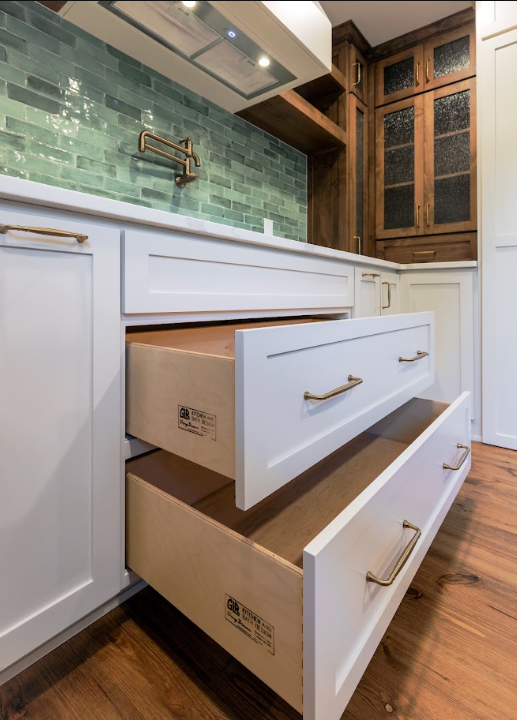
1. Not Including Enough Drawers
Many homeowners focus on cabinet doors, but drawers are often more functional.
Deep drawers are ideal for pots and pans, while medium drawers work well for dishes and food storage containers.
They allow you to see everything without kneeling down or digging through the back of a cabinet.
When planning your kitchen, consider replacing lower cabinets with drawers wherever possible.
2. Forgetting About Trash and Recycling
One of the most common oversights is waiting until the end of the design process to think about the trash can.
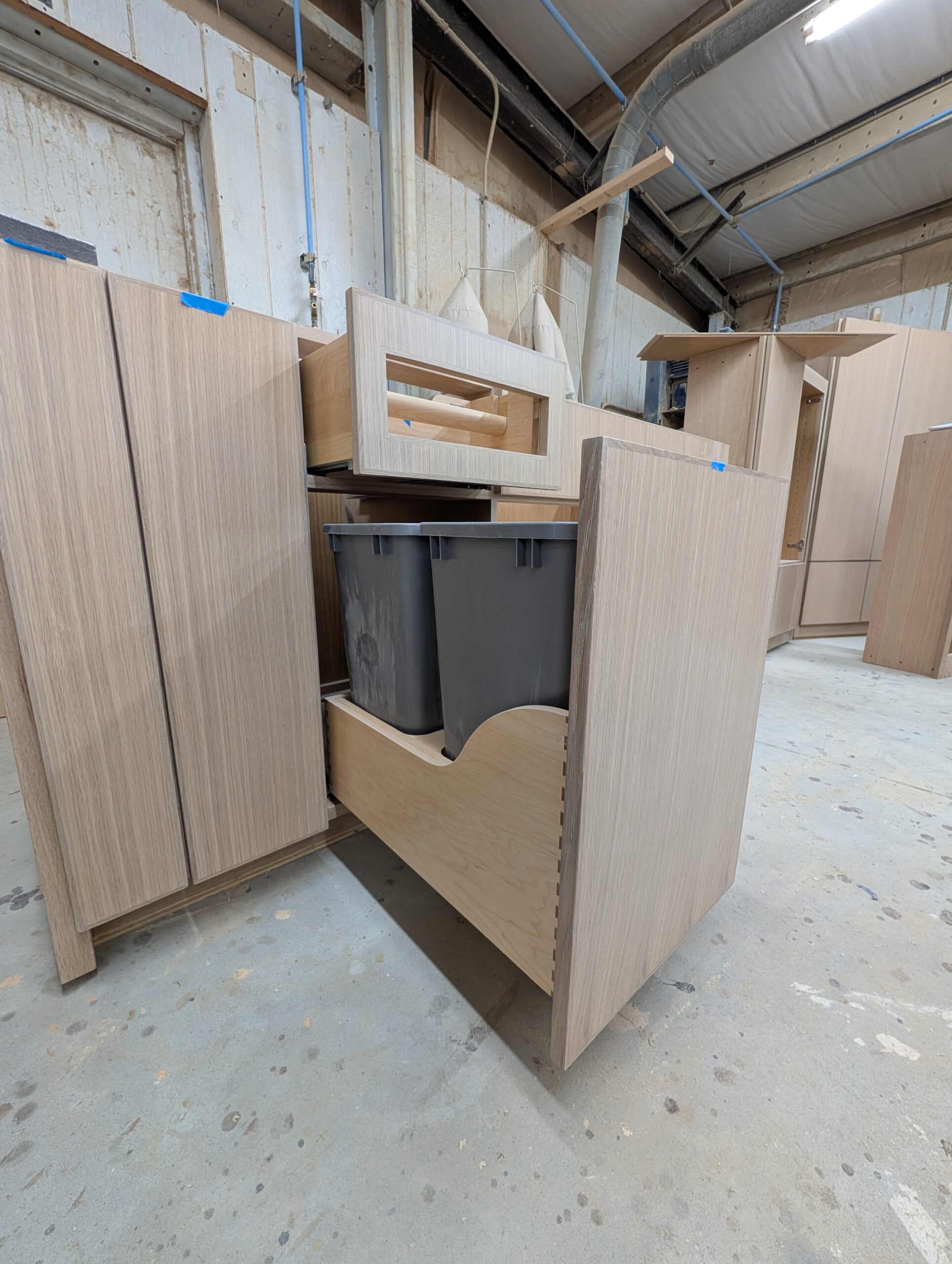
A built-in pull-out trash and recycling cabinet keeps waste hidden, improves workflow, and frees up valuable floor space. Ideally, it should be located near your sink and primary prep area.
3. Designing Around Standard Cabinet Sizes Instead of Your Home
Stock cabinets are manufactured in predetermined sizes, which often results in filler strips, wasted corners, and unused space.
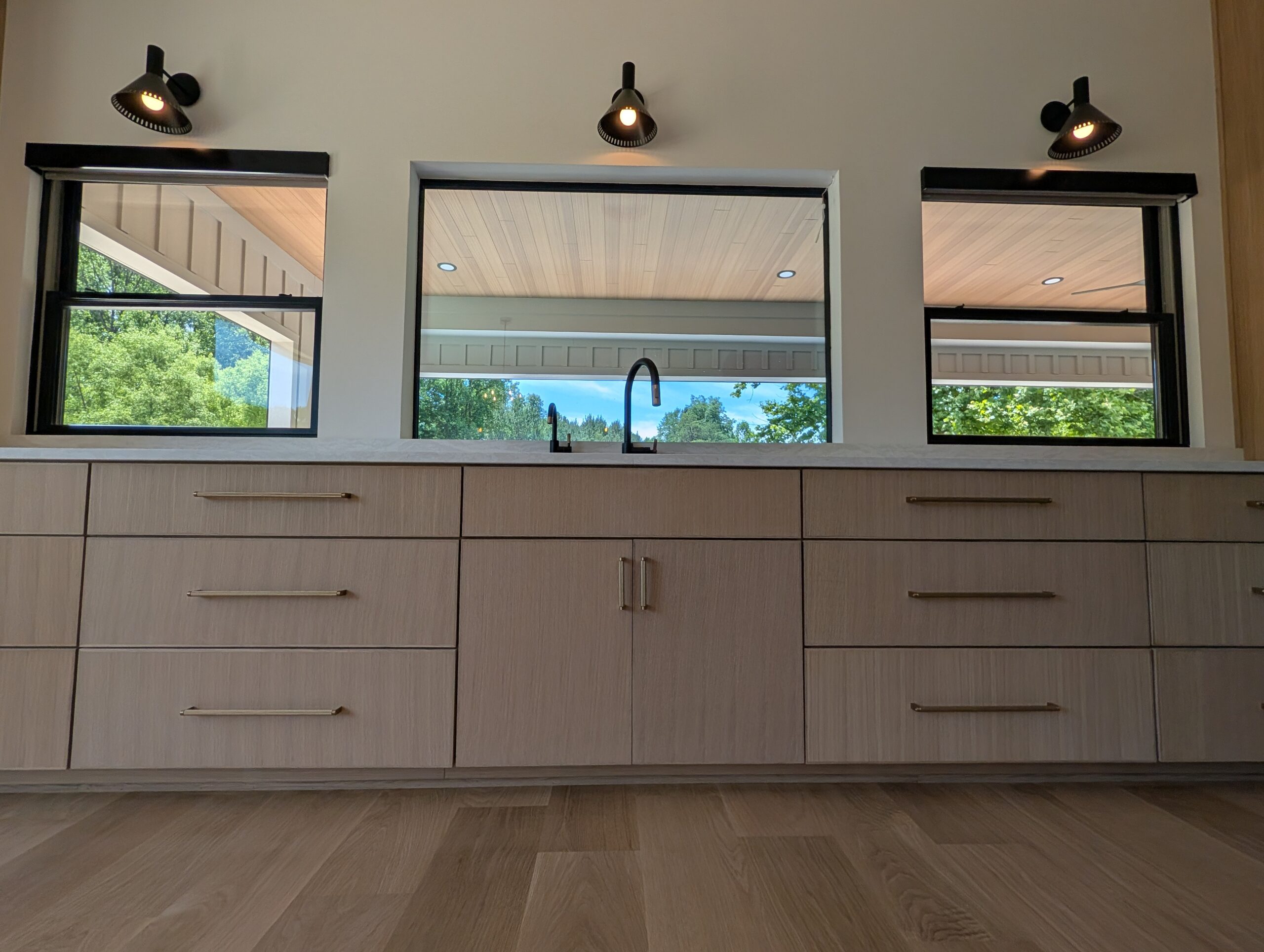
Custom cabinetry is designed specifically for your room, allowing every inch to serve a purpose. Whether it’s maximizing pantry storage or creating a perfectly fitted built-in, custom cabinets make the most of your home’s unique dimensions.
4. Not Planning Storage for Small Appliances
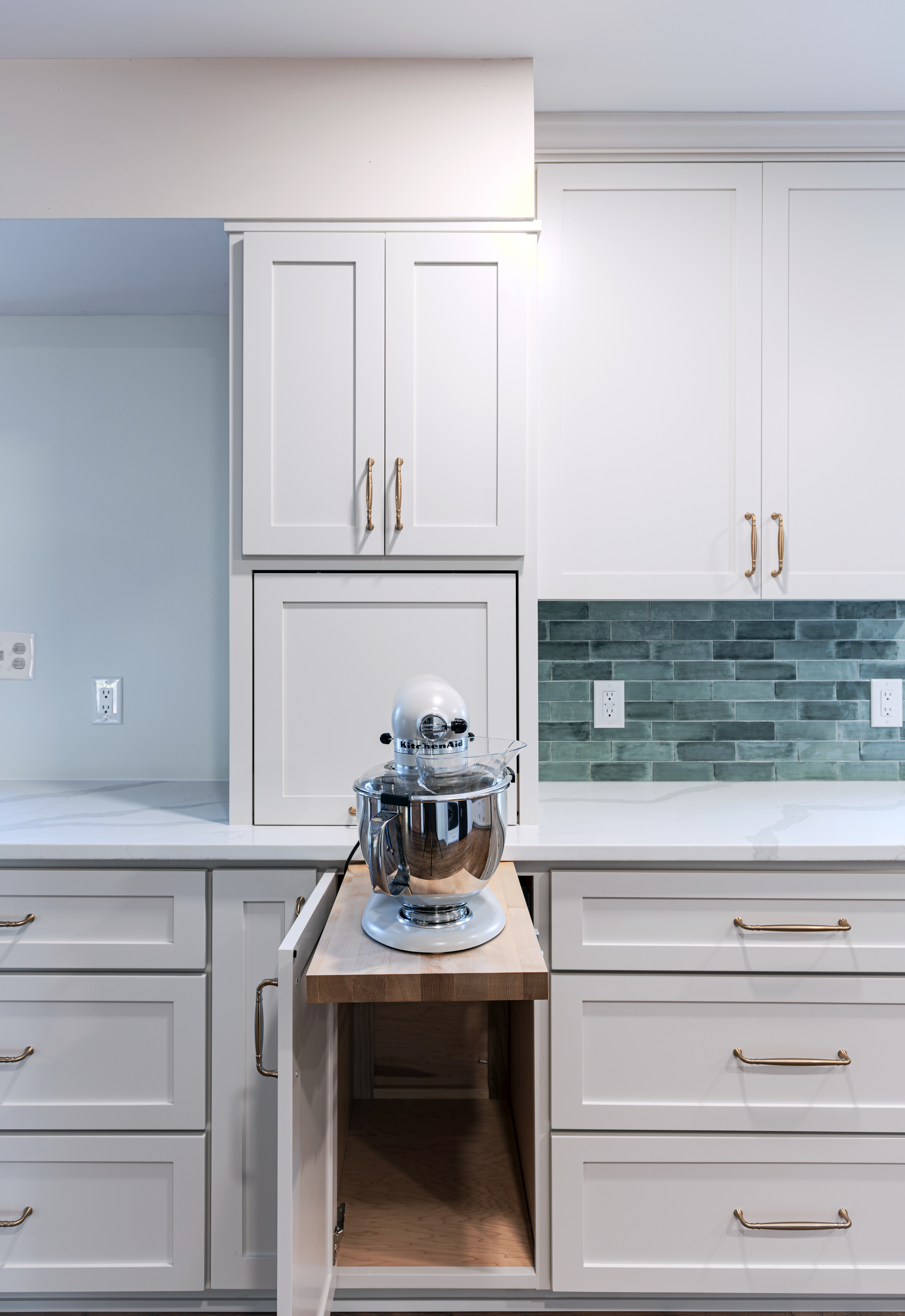
Coffee makers, mixers, air fryers, blenders, and toaster ovens all need a home.
Without dedicated storage, countertops quickly become cluttered.
Features such as appliance garages, mixer lifts, charging drawers, and deep pantry storage keep everyday appliances accessible without sacrificing clean, open countertops.
5. Ignoring Workflow
A beautiful kitchen isn’t always a functional kitchen.
Think about how you actually cook.
Where will you unload groceries?
Is your pantry close to your refrigerator?
Can multiple people work in the kitchen comfortably?
Is there enough prep space between the sink and cooktop?
Designing around your daily routine creates a kitchen that feels effortless to use.
6. Choosing Style Over Function
Open shelving, oversized decorative hoods, and trendy layouts may look beautiful online, but they don’t always fit your lifestyle.
Before choosing design features, ask yourself:
Will this be easy to clean?
Does it provide enough storage?
Will I still love it in ten years?
The best kitchens balance timeless design with everyday practicality.
7. Waiting Too Long to Involve the Cabinet Company
Many homeowners don’t contact a cabinet company until after construction has begun.
By involving your cabinet manufacturer early, you can avoid costly changes later. Cabinet planning affects plumbing, electrical locations, appliance placement, lighting, flooring transitions, and even window sizes.
Early collaboration helps everyone—from your builder to your electrician—work from the same plan.
8. Underestimating the Value of Detailed Planning
The cabinets you see installed are only the final result of weeks of preparation.
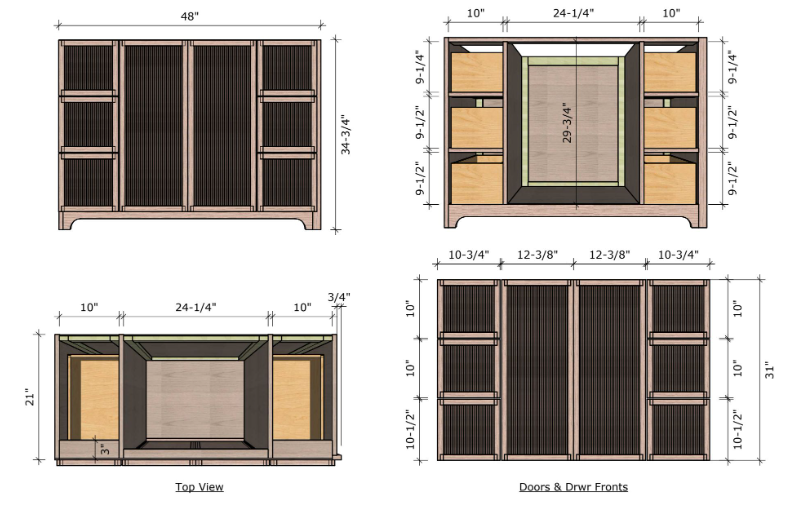
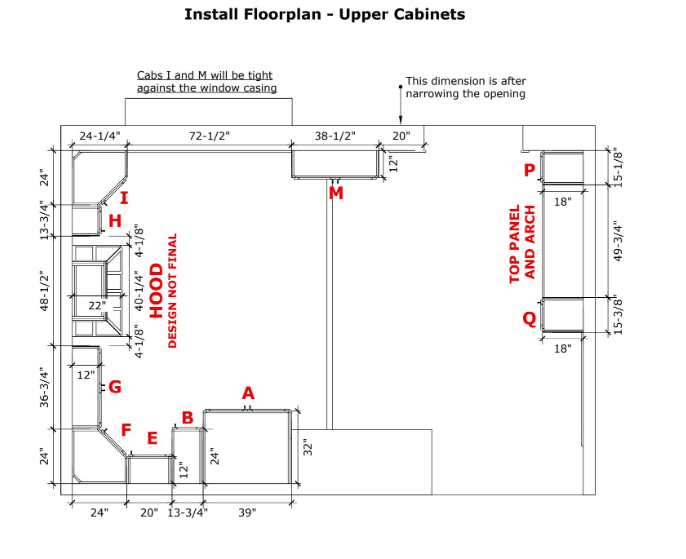
Before production begins, we create detailed layouts, elevations, 3D renderings, shop drawings, hardware selections, and construction plans. This planning helps eliminate surprises, keeps projects on schedule, and ensures everyone involved understands exactly what will be built.
The more decisions made on paper, the fewer problems arise in the field.
Our Final Thoughts
A successful kitchen remodel isn’t just about choosing beautiful cabinets—it’s about creating a space that functions beautifully for years to come.
Thoughtful planning, detailed design, and quality craftsmanship are what separate an average kitchen from one that truly enhances the way you live.
Whether you’re building a new home or remodeling an existing one, investing time in the planning process will save money, reduce stress, and result in a kitchen you’ll enjoy every day.